
Summary of the Issue
When a repair request comes in, sometimes owners want to defer, shop around, or find a quick fix (hiring someone unlicensed or even doing the work themselves). These may not seem like a big deal, but in Oregon, maintenance disputes can quickly escalate into significant lawsuits.
Recently, an Oregon tenant refused to pay an electrical repair bill that the landlord believed they should have been responsible for. Rather than find a resolution the landlord made some poor choices that escalated this small maintenance issue into a major lawsuit.
The result, the jury awarded the tenant $32,000 and the landlord is now facing $225,000+ in attorney fees.
Key Takeaways
- Oregon Landlords should expect to make repairs and budget accordingly.
- Avoid taking actions that could appear retaliatory.
- Lawsuits are a major risk, when you lose, you can lose big.
- The landlord in this case is appealing the ruling.
- Your property manager's job is to help you stay out of trouble. Listen to their advice.
What Happened
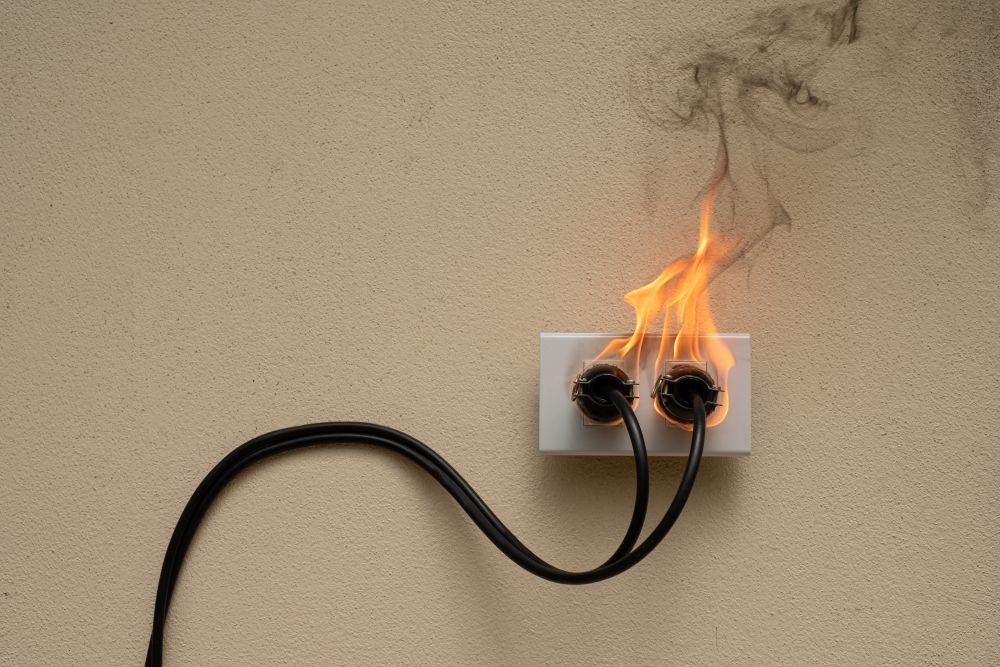
In December of 2024, resident Jonah Spring discovered a sparking electrical outlet in his bedroom. He reported the issue to his property manager, Aetna Properties and they dispatched a vendor. The vendor repaired the outlet and noted that the outlet had malfunctioned.
Afterwards the landlord informed Spring that they would be responsible for the outlet repair and charged them $287.00.
Spring refused to pay the bill indicating he had only plugged in an alarm clock into the socket.
Four days later the landlord sent Spring a rent increase. The landlord claimed this was a coincidence, but to the tenant and to a jury it looked like retaliation.
Retaliation is illegal and as Detective Alonzo Harris from Training Day said, "It's not what you know, it's what you can prove".
Ultimately the jury awarded Spring $32,000 plus attorney fees which currently stand at $225,000.
Why this Maintenance Matters
An effort to save a few hundred dollars could cost you tens of thousands. As a landlord, your mindset should be about winning the war, not the battle (the battle isn’t with the tenant, it’s with your priorities).
From the moment a maintenance request is received the clock is ticking, and it’s not just from your tenant. If things aren’t handled appropriately a court will be dissecting all of your decisions, timeline, and your records to see if you failed to meet your obligations.
Things that matter;
- How quickly did you respond to the initial request?
- How quickly did you dispatch a vendor to the property?
- Who did you send? Are they licensed, bonded, and insured?
- How was the tenant communicated with? Was proper notice given?
- How quickly did you approve the work? Did you shop around? Was that a prudent decision?
- Was the work performed in a workmanlike manner?
- Did you follow up with the resident to ensure the vendor did what they said they were going to do, when they said they were going to do it?
How all of these are handled determine if you have liability and open the door to a potential resident concession e.g. credit, discount, etc.
Sleep Sound has processed thousands of maintenance requests. We have learned to make decisions quickly with a focus on reducing liability. This means we prioritize speed, competence, and resolution over price. This doesn’t mean the pricing isn’t competitive, it just means we don’t think that it is smart to delay taking action when the consequences of being too slow could result in larger expenses and the loss of a tenant.
To help address some of the common questions landlords have dealing with maintenance we’ve created an FAQ below.
Frequently Asked Questions
Disclaimer: The information below is not legal advice and is based on the personal opinions of Mr. Cook based on 20+ years operating in the Portland, Oregon market. If you are concerned about the legality of something or your legal risk, please consult an attorney.
Question: How quickly do I need to make repairs to avoid liability?
Response: Oregon law outlines 2 important duties under ORS 90. The first is “Essential Services (ORS 90.100(15) and ORS 90.365)” and the second is “Habitability Standards (ORS 90.320)”. These laws outline what a landlord is required to provide and what happens if the landlord is in breach of these duties.
For minor repairs the landlord should aim to address them in 7 days or less. For larger repairs landlords should aim for 14 days or less. If facing a loss of essential services, efforts should be made immediately and service should be restored as soon as possible.
Propertymeld.com advises landlords to aim for repairs to be completed in 3 days or less. Repairs addressed in this timeframe receive the highest satisfaction scores.
In short, the faster you address a problem, the happier your resident will be.
Question: What happens if I don’t respond in time?
Response: If you don’t respond in time the tenant can take matters into their own hands and hire a professional and/or request a concession for diminished use of the premises e.g. this means a reduction in rent or in some cases termination of the lease. Both of these cost money and are poor ways to spend it, especially when addressing the issue promptly would have prevented it. In cases where inaction causes harm to the tenant e.g. damage to their belongings, person, or otherwise, you could face a lawsuit.
Question: Can I send in a contractor I trust?
Response: It depends. At Sleep Sound we only allow vendors who have completed our “Vendor Policy Agreement (VPA)” to do work at the property. This is because anytime someone is in the home, liability goes up so it’s important the person entering is safe and properly insured.
In cases where a contractor is able to enroll in the VPA, then Sleep Sound can work with the contractor directly.
Question: When do I have to provide a concession or rent discount?
Response: This is a negotiation between the landlord and the tenant, but if the repair takes longer than is reasonable, or if the repair results in a lack of essential services, then it is best to proactively calculate and notify the resident regarding compensation being offered.
Question: How often should I communicate with the resident about the status of a repair?
Response: No news is not good news. When residents don’t hear from you, even if the update is “we are still working on this issue, but don’t have any new information” is better than silence. People don’t assume the best when there is no communication. They assume that either you forgot or they are not a priority. Both create a bad experience.
The frequency of updates depends on the nature of the repair. The more impactful or severe, the more often status updates should be given.
For this reason, Sleep Sound has a dedicated maintenance coordinator who is further supported by multiple property associates. This is to ensure residents are getting regular updates.
Question: Should I go take a look myself?
Response: This is not advisable. Oregon does not allow an owner to work on their rental unless they meet all the criteria of a general contractor. If you are working with a property manager it is best to stay out of the way unless there is a critical need for owner involvement. This is because a key part of the property manager's job is to document all communication and action steps. This record serves as the primary line of defense should a legal or insurance issue arise from the maintenance event. By getting involved, the manager may not have a clear line of sight into all the details and communication which can create an incomplete record, redundant work, or delays.
Question: My tenant contacted me, and is unhappy about how long it’s taking to fix the issue. What should I do?
Response: It depends on how long things have taken, but the first thing to do is to communicate what you have done, what you are doing next, and when you expect the issue to be resolved.
If you are working with a property manager, direct them to the property manager. Do not get involved with direct communication or listening to their complaint. You want all communication to be documented between manager and the tenant.
If you have concerns or reasons to believe the manager is not handling things correctly, send them an email with your questions.
Question: My tenant offered to make the repair, should I allow them to do this?
Response: While this may be tempting, it is not advisable. Not only are there concerns around the quality of the repair, there are larger issues around liability, including whether or not the tenant could be classified as an employee. I would not allow this without consulting an attorney and having a written agreement between you and the tenant regarding their qualifications and standards around the quality of work to be performed.