

There is a famous saying “an ounce of prevention is worth a pound of cure”. When it comes to property checks, this wisdom couldn’t ring more true.
At Sleep Sound Property Management, Inc. we’ve walked thousands of properties and saved our clients tens of thousands every year by spotting issues early and addressing them head on.
Issues found range from maintenance problems to lease violations. In all instances, if left unchecked, the property would have been damaged.
For this reason, when we hear that some managers check the property only once a year, or in some cases not at all, alarm bells go off. Landlords think they are saving money, when in the long run, they pay the consequences.
What is a Property Walk-Through? (Walk-Through Versus a Property Inspection)
A property walk-through is a visual review of the property. This is different from a property inspection.
A property inspection is conducted by a licensed inspector and involves looking into attics, crawlspaces and more.
When conducting a property walk-through a team member identifies issues such as deferred maintenance, unreported maintenance, or lease violations that they can easily see.
This is why property inspections are $600.00 while Sleep Sound’s property walk-through’s are a fraction of the cost.
Key Reasons Property Walk-Through’s Are Non-Negotiable
#1 Unreported Leaks
Water damage can lead to major property damage, and in some cases, it’s not covered by insurance.
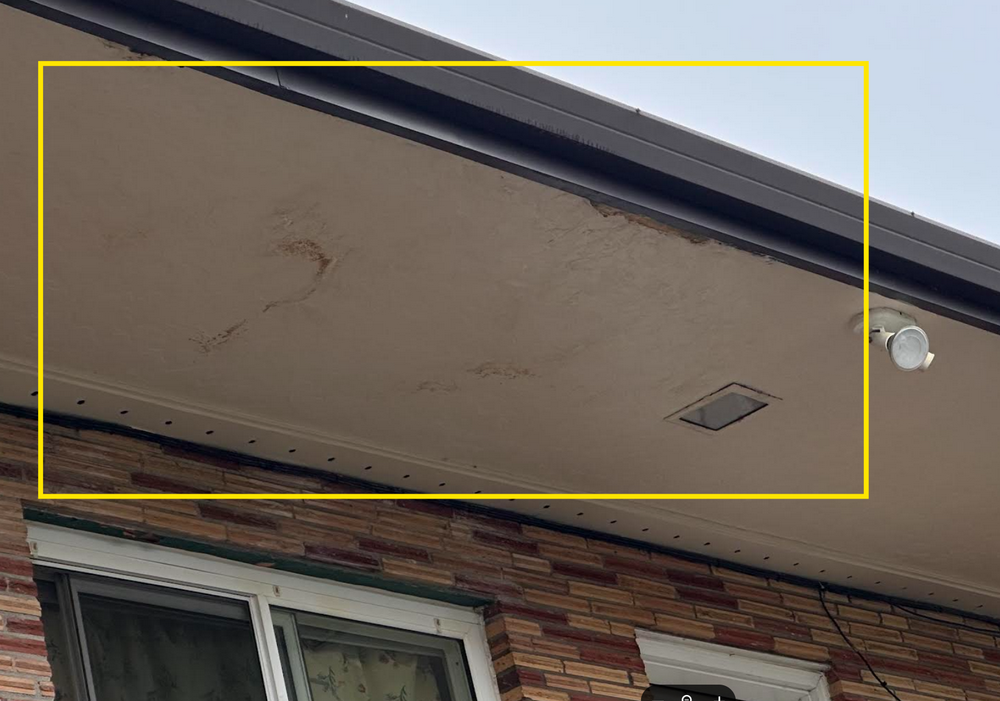
A few Common issues include;
Unreported roof leaks.
Failed wax rings at the base of toilets that lead to dry rot in the floor.
Leaking machine washing machines.
Malfunctioning downspouts and gutters that lead to framing and wall damage.
Dishwasher leaks.
Kitchen sink/garbage disposal leaks.
When leaks happen, the damage is minimal if caught right away, but can balloon to thousands if not tens of thousands of dollars if left unaddressed.
This is why one of the first things Sleep Sound does when taking over management from another company is to conduct a walk-through. Sadly, often by this time the damage is already be done, but, “it’s better late than never”.
# 2 Microbial Growth
Plaintiff attorneys love microbial growth, in fact they have a popular saying, “mold is gold”.
Why?
Because it’s easy to claim sickness from mold exposure, and difficult to prove the opposite.
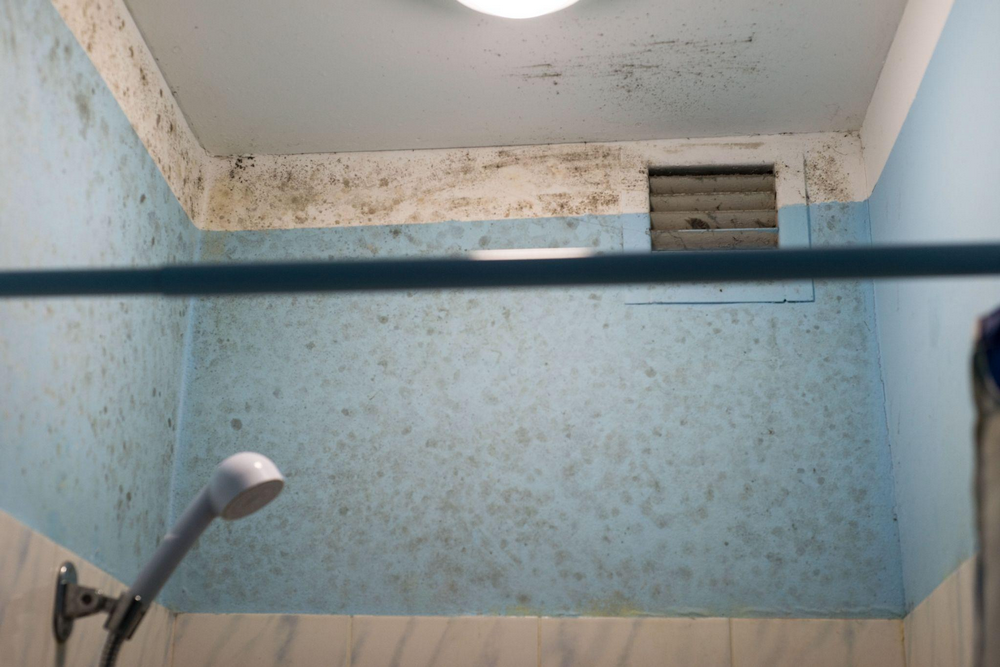
While most mold is harmless and in most cases it’s a result of;
Failing to ventilate bathrooms and kitchens properly.
Setting the thermostat too low.
Keeping furniture against the wall or in corners (especially with slab on grade foundations) which restricts air flow.
Too many house plants in a small space.
The use of humidifiers and more.
Mold remediation can cost $10,000-$100,000 depending on the severity of the problem. Insurance companies often offer no coverage or very limited coverage.
Site visits allow the Property Manager to spot issues and take proactive steps to resolve the issue and/or coach the tenant on how to prevent mold and mildew.
#3 Life and Safety Violations
Everyone hates the chirping sound of a smoke alarm or CO alarm. When this happens, sometimes tenants will disable them and never submit a request to have them replaced.
If your tenant dies in a fire or from carbon monoxide poisoning, guess who could be liable?
The landlord.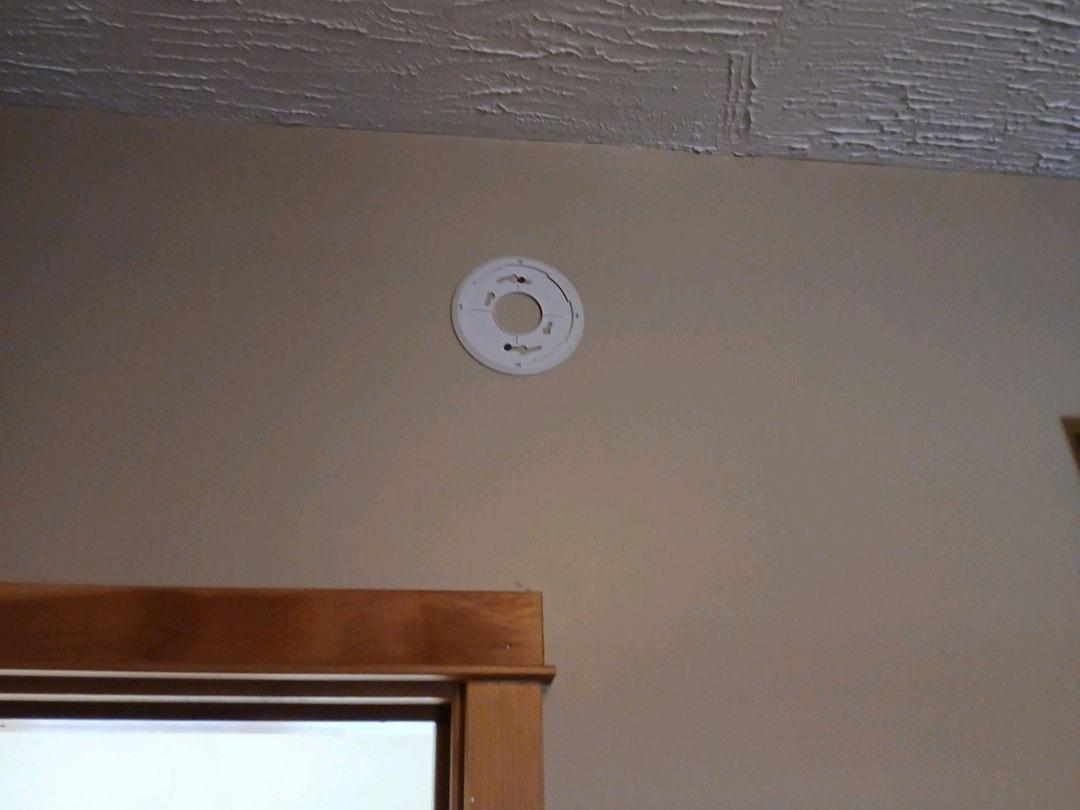
Other common life safety issues include;
Rooms being used as bedrooms that don’t have proper egress e.g. rooms in basements, attics, etc.
Dry rot on decks and porches.
Weak/rotten banisters.
Major trip hazards.
Rotten stairs and stringers.
All of these could lead to injury or death. It’s easy to brush off as unlikely to happen, but the reality is, people die and are hurt every year by these very things. Insurance doesn’t cover negligence.
#4 Illegal Activity
Tenants may be running an illegal business from the property and if you never check, you won’t know until it’s too late. Unfortunately, it’s usually after the SWAT team calls to say they kicked in the door and you need to repair it.
Illegal activity can range from prostitution to running a meth lab. Not exactly the types of neighbors any one wants.
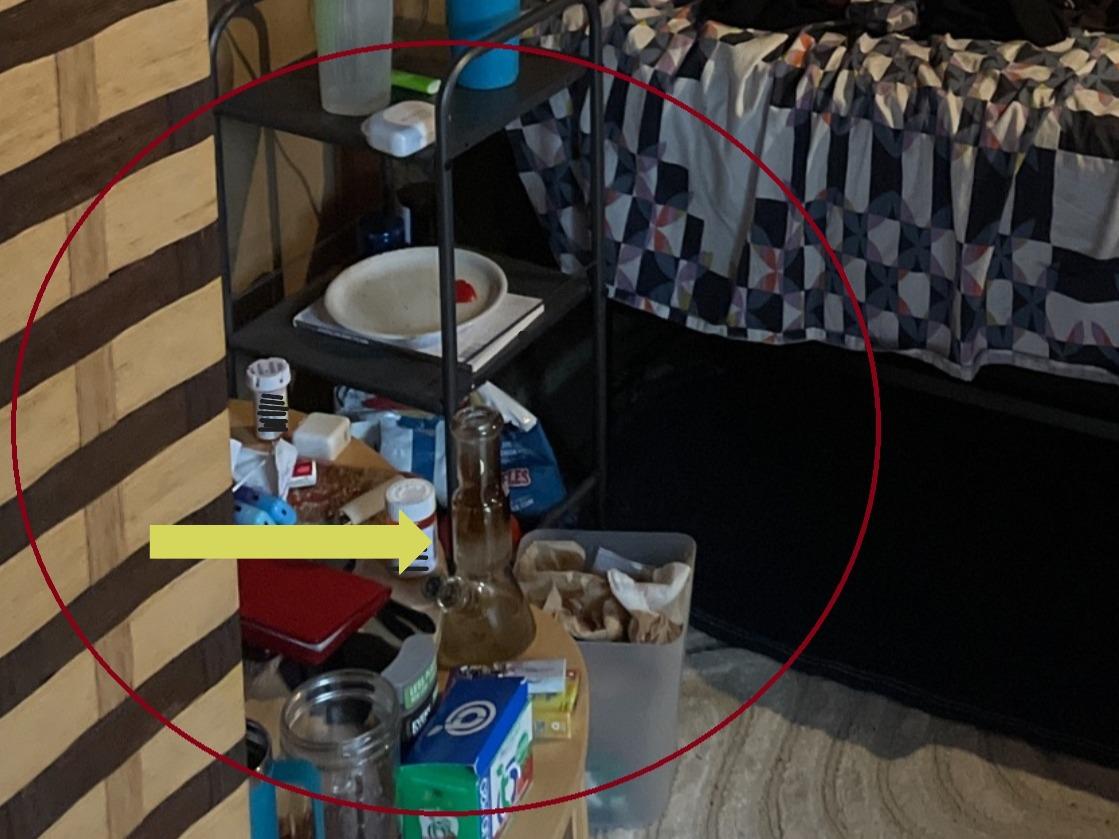
If tenants know site visits are part of the landlord's normal practice, especially prior to moving in, they will know right away that they will have problems and instead move on to a less watchful landlord.
#5 Lawsuits & Insurance Claims
In America people sue people for little to no reason. Even when claims lack merit, the demands can be substantial.
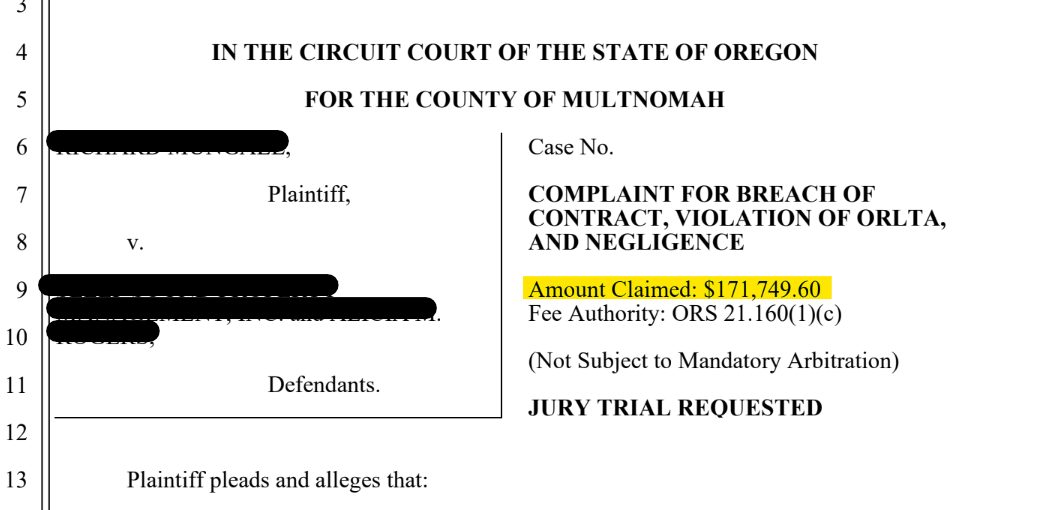
Walk-Through reports offer countless benefits, but something landlords often forget is that the reports produced during the walk-through serve as evidence against potential claims in a lawsuit or insurance denial.
It’s hard for a tenant to claim the property wasn’t habitable since they moved in or for however long they claim if you have documented the property condition 2x a year. This photo evidence can be the reason you defend a lawsuit. This is risk management 101.
Insurance companies may try to deny a claim and may be successful if you can’t prove a problem, that an issue wasn’t ongoing or that you didn’t have prior knowledge.
Remember, your insurance company is not your friend. Walk-Through reports protect both you and your property.
#6 Unauthorized Guest or Pets
It’s important you know who is living at the property. Just because your tenants were screened, doesn’t mean their latest roommate was. If you don’t know who is on the lease, you could find yourself trying to evict someone you know nothing about.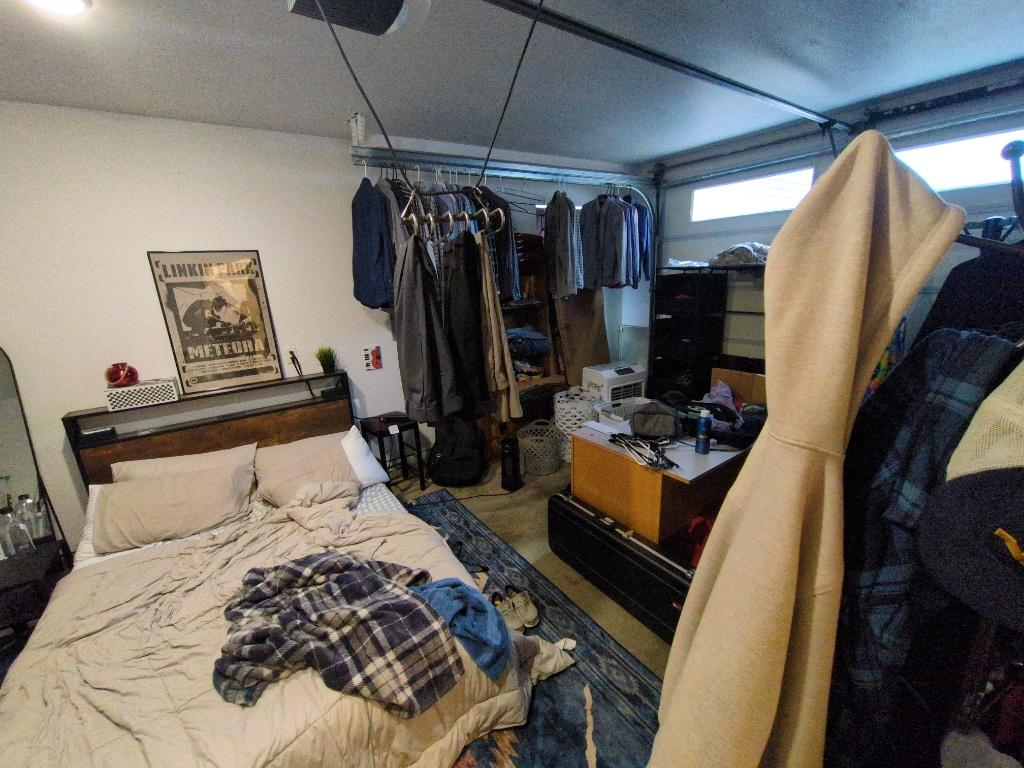
If that person has a history of property damage or a criminal record, an eviction could be the least of your worries.
Walk-Through reports also help spot unauthorized pets. While pets don’t always pose an immediate threat, some do. Some animals can cause substantial property damage and worse, hurt someone.
It’s important to have a clear record of who is living in the property. This goes for pets and people.
#7 Landscape Neglect
I’ve said it once, and I’ll say it again. “It is more expensive to restore a yard, than to maintain it”.
Taking care of a yard requires time, money, tools, and is a skillset. A lot of people romanticize yard work, but never do it. Especially if it’s not “their” yard.
For example, uncontained bamboo can damage buried utility lines, nearby home foundations and more.
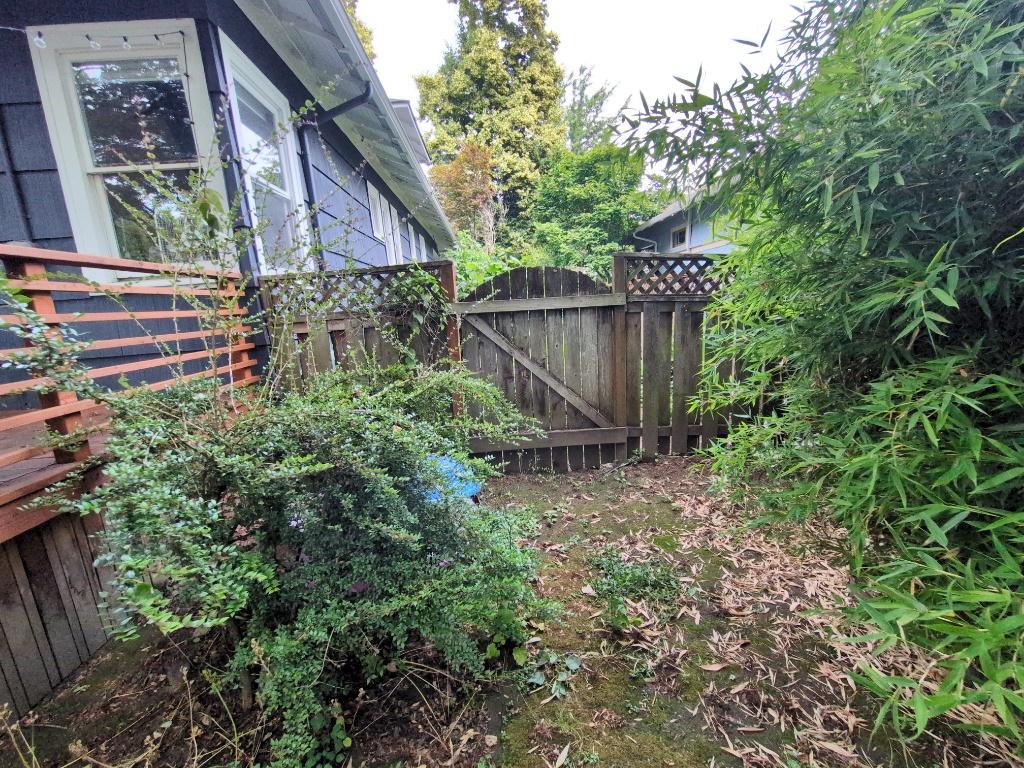
Site visits ensure the work is being done and the landscape isn’t being destroyed. Restoring a yard can cost thousands of dollars.
Landlords sometimes think that having a landscaper is enough. Not quite. Most landscapers won’t remember to tell an owner about the yard being neglected. In fact, we’ve heard landscapers justify not servicing the yard for months because there was too much dog poop in the yard. Guess what, they never told anyone except the tenant.
It’s shortsighed to rely solely on your vendor to be your eyes and ears.
Conclusion
Periodic walk-throughs should be done 2x per year. A lot can happen in 6 months and you can’t turn back time if you uncover a major problem.
The cost of conducting a regular walk-through is inconsequential when compared to potential property damage and lawsuits.
Remember, “you get what you inspect, not what you expect”.