

A lot of new landlords are unsure about what they should or shouldn’t leave when renting out their home.
If that sounds like you, then read on.
Moving all your stuff is a big project, especially if you plan to return in the next year or two.
Owners often ask if they can leave personal belongings in places such as;
Basements
Garages
Attics
Sheds
At first glance this seems like a strategy to save money on storage and is a lot more convenient.
While this is true, storing things on site can create new problems.
Diminished Use

When you list a property “For Rent” you are competing with other properties for the best tenants.
The best tenants have options.
If you reduce the available space in your property because you want to store things, you are going to run into 2 potential problems;
Qualified tenants won’t apply which will lead to more time on market and lower rent.
The people this appeals to are people who don’t plan to stay as long. This results in more turnover which is very expensive.
Legal Considerations

If you store items in an area that tenants need access to, it could create a safety issue. For example, if the water heater, furnace, or electrical panel are in the garage or basement, and you want to eliminate or limit access, this could result in a life/safety issue.
For this reason, tenants need access to the property’s mechanical systems at all times.
In addition to this, if a tenant is harmed by something you left, you could be liable e.g. a play structure, hot tub, etc.
Unintentional Expectations

You may think leaving a grill, lawnmower, or other helpful items is a service to the tenants. It may be, but in some instances, these “left items” can be seen as “amenities”. Amenities are included in the rent which means that if something breaks, you will need to repair or replace it.
A common response to this news from owners is, “I will just tell them if it breaks, I am not fixing it”.
Not. So. Fast.
A lot of states, including Oregon, have rules about landlord obligations, if you leave something that can be classified as an amenity, then the landlord is responsible for repairing or replacing it if it fails.
Leaving Personal Items
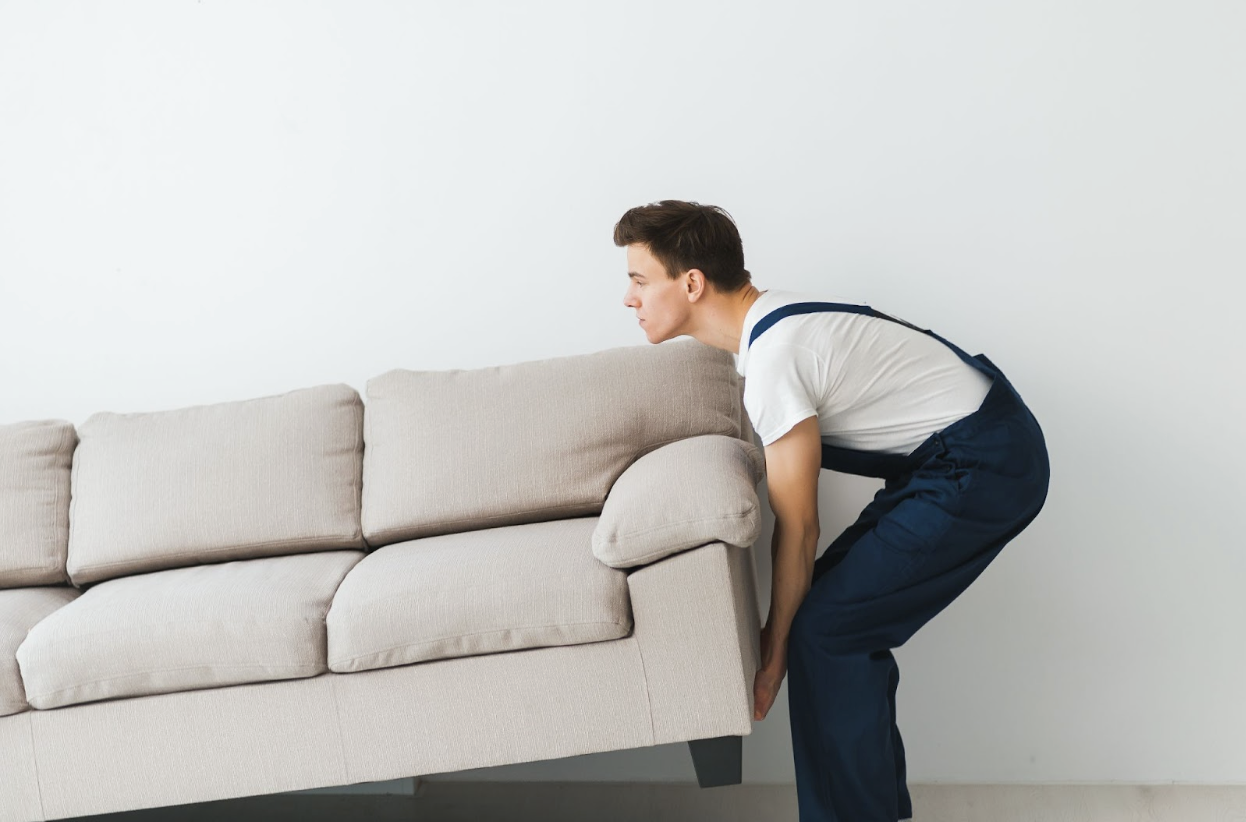
If you leave personal property it can be difficult to inventory and track. It’s even more difficult to determine the value of something if it is damaged.
While most tenants treat property with respect, accidents happen. The last thing you want is to have something meaningful to you lost or damaged.
Another concern is that if the personal property is secured away, there is no one responsible for checking on it. Items left in sheds, basements, or attics can be damaged if there is a leak.
Marketing Challenge

When you leave personal property it changes the style of the home.
Not everyone appreciates the same look and if you leave bulk items or decor, you are making your job of attracting a quality tenant even harder.
This means you not only need to find a qualified tenant who wants to pay what you are asking, but you also have to find someone who shares your personal touch. That’s an uphill battle.
Your goal should aim to make your property as marketable and applicant friendly as possible.
Yes, storage and movers cost money, but so does vacancy.
When In Doubt, Toss It Out (Or Donate or Recycle)

As you can see, while it might be appealing to leave personal property at the property, it creates a new set of challenges.
This includes, but is not limited to;
Cleaning supplies
Coat hangers
Kitchen items
Furniture
Small appliances (excluding microwave ovens).
Tools (unless specific to an appliance e.g. a disposal wrench)
Old paint e.g. it will never look the same and if it’s really old, it can look very different.
Sound Advice: If you want your property to rent quickly then our recommendation is to remove everything from the property.
Items that can be helpful include;
Furnace filters
Batteries for smoke/co alarms
Light bulbs
Preferred counter top or wood floor cleaner e.g. brands you want them to use specifically
Water shut-off tool
Winterization materials
Window Screens
Installed Curtain rods
Dehumidifier if needed for the basement.
Contact Us!
If you have more questions about how to prepare your property for rent and want to learn about our property management services in the Portland/Vancouver area, please contact our office.